



Search titles
Displaying results 91 to 93 of 93.

Agenda - A Journal of Policy Analysis and Reform: Volume 1, Number 2, 1994 »
Publication date: April 2007
Agenda is a refereed, ECONLIT-indexed and RePEc-listed journal of the College of Business and Economics, The Australian National University. Launched in 1994, Agenda provides a forum for debate on public policy, mainly (but not exclusively) in Australia and New Zealand. It deals largely with economic issues but gives space to social and legal policy and also to the moral and philosophical foundations and implications of policy.
Subscribe to the Agenda Alerting service if you wish to be advised on forthcoming or new issues.
Download for free
Not available for purchase
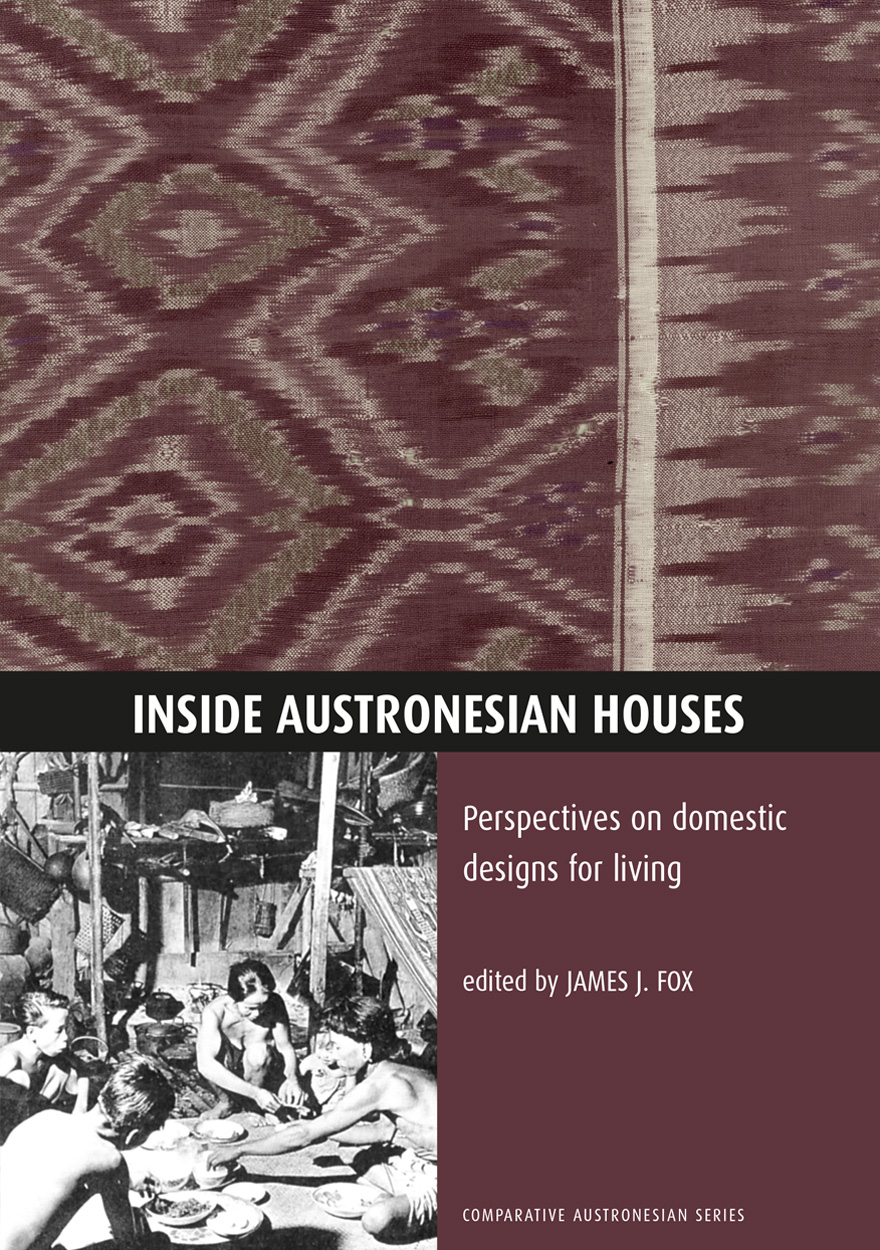
Inside Austronesian Houses »
Perspectives on domestic designs for living
Edited by: James J. Fox
Publication date: September 2006
The eight papers in this volume examine the spatial organization of a variety of Austronesian houses and relate the domestic design of these houses to the social and ritual practices of the specific groups who reside within them. The houses considered in this volume range from longhouses in Borneo to the meeting-houses of the Maori of New Zealand and from the magnificent houses of the Minangkabau of Sumatra to the simpler dwellings of the population of Goodenough Island in Papua New Guinea. Together these papers indicate common features of domestic design from island South-East Asia to Melanesia and the Pacific. This volume is a publication of the Research School of Pacific Studies’ Comparative Austronesian Project.
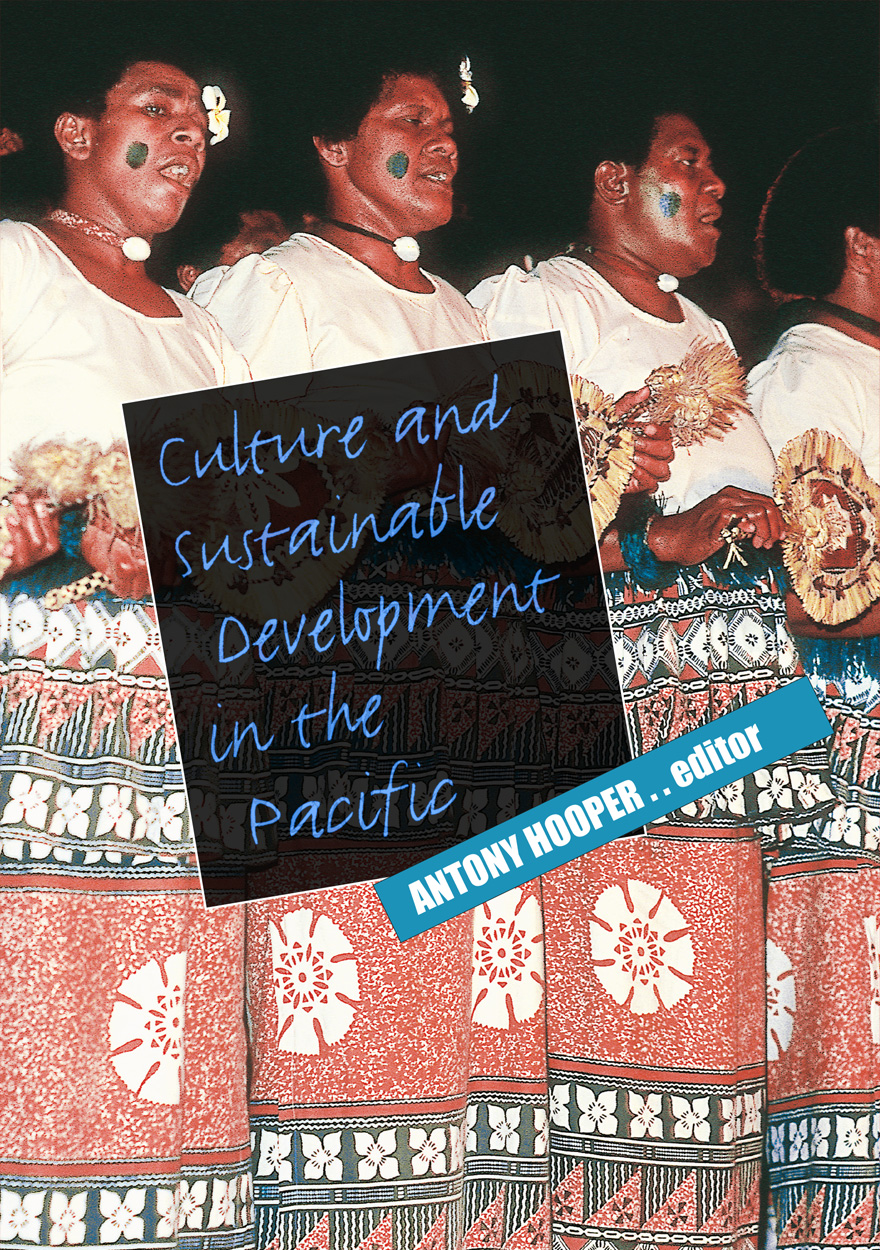
Culture and Sustainable Development in the Pacific »
Edited by: Antony Hooper
Publication date: April 2005
Throughout the South Pacific, notions of ‘culture’ and ‘development’ are very much alive—in political debate, the media, sermons, and endless discussions amongst villagers and the urban élites, even in policy reports.
Often the terms are counterposed, and development along with ‘economic rationality’, ‘good governance’ and ‘progress’ is set against culture or ‘custom’, ‘tradition’ and ‘identity’. The decay of custom and impoverishment of culture are often seen as wrought by development, while failures of development are haunted by the notion that they are due, somehow, to the darker, irrational influences of culture.
The problem is to resolve the contradictions between them so as to achieve the greater good—access to material goods, welfare and amenities, ‘modern life’—without the sacrifice of the ‘traditional’ values and institutions that provide material security and sustain diverse social identities.
Resolution is sought in this book by a number of leading writers from the South Pacific including Langi Kavaliku, Epeli Hau’ofa, Marshall Sahlins, Malama Meleisea, Joeli Veitayaki, and Tarcisius Tara Kabutaulaka. The volume is brought together for UNESCO by Antony Hooper, Professor Emeritus at the University of Auckland. UNESCO experts include Richard Engelhardt, Langi Kavaliku, Russell Marshall, Malama Meleisea, Edna Tait and Mali Voi.