



Search titles
Displaying results 21 to 30 of 187.
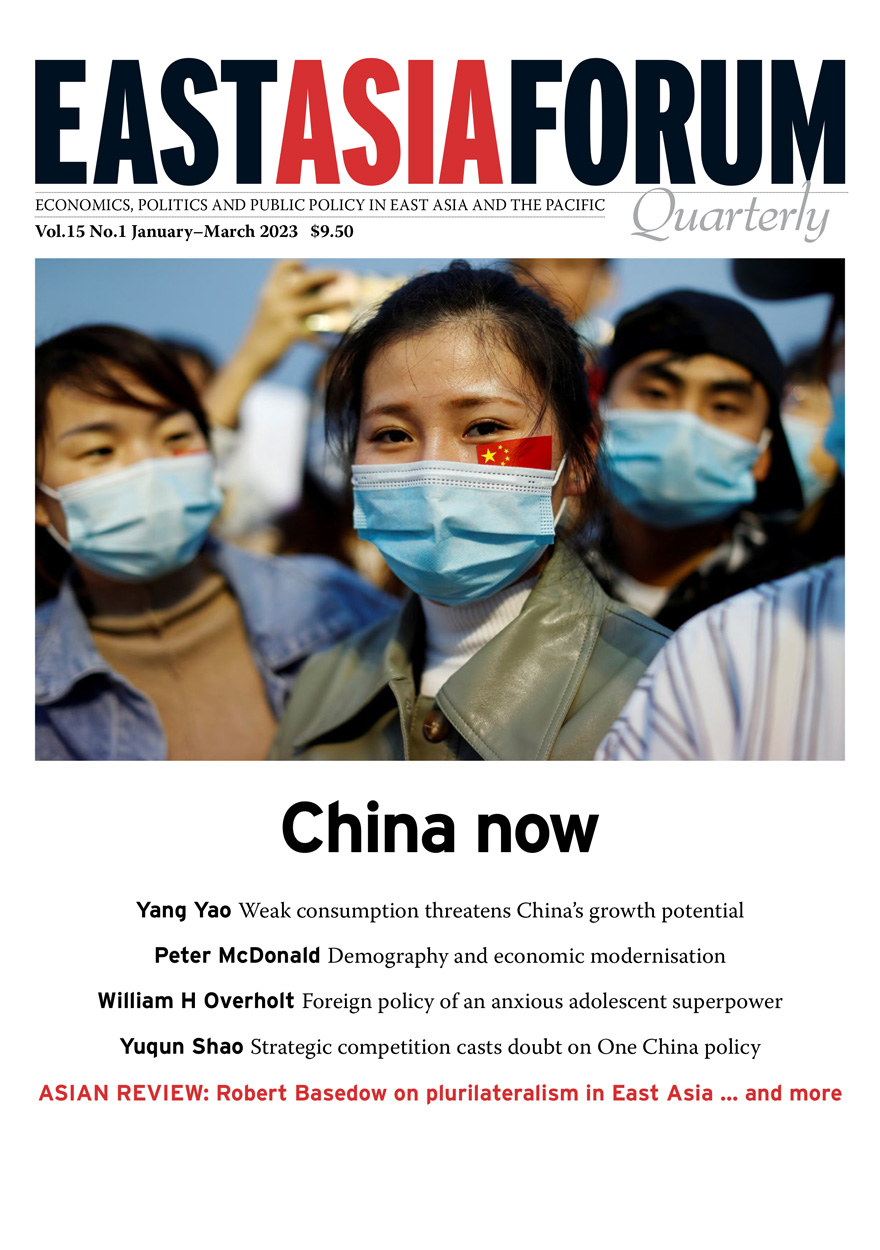
East Asia Forum Quarterly: Volume 15, Number 1, 2023 »
Publication date: March 2023
While many rejoice in something like ‘normality’ after the years of disruption caused by the global COVID-19 pandemic, the world will not resume its former shape. Nowhere is this more evident than in China. After the disastrous economic performance of 2022, a recalibration of China’s policies was essential—including by retreating from zero-COVID and, under the banner of ‘Chinese-style modernisation’, relaxing restrictions on the free market. China’s greatest post-pandemic challenge, however, will be the terms of its engagement with the outside world. Its claims to both developing-nation status and global leadership define China, some say, as an ‘anxious adolescent superpower’. This issue of East Asia Forum Quarterly canvasses a range of shifts in Chinese society and daily life as well as policy direction: describing women’s leading role in the calls for social change, explaining how China’s demographic crunch is unlikely to affect its economic modernisation over the coming two decades, examining the difficulties faced by rural migrants and in investing in the education of the rural young, and detailing the public response to the poorly understood social credit system.
Download for free
Not available for purchase

Made in China Journal: Volume 7, Issue 2, 2022 »
Publication date: December 2022
In 2020, Chinese Communist Party general secretary Xi Jinping pledged to ‘transition to a green and low-carbon mode of development’, as well as to ‘peak the country’s CO2 emissions before 2030 and achieve carbon neutrality before 2060’. Xi’s pledge offered a tangible example of what has come to be known as the ecological civilisation (生态文明)—the idea of engineered harmony between humans and nature that was recently incorporated into the Constitution of the People’s Republic of China. But what kind of engineering is required for sustainable transitions at this scale and pace? Through which political concepts and technical practices could such a harmonious rebalancing of China’s resource-devouring development be envisioned and achieved?
This issue of the Made in China Journal addresses these questions by borrowing political theorist John Dryzek’s rereading of the Greek myth of Prometheus. Inspired by the story of a demigod who stole the technology of fire for the sole purpose of human advancement, Prometheanism describes an eco-modernist orientation that perceives the Earth as a resource whose utility is determined primarily by human needs and interests and whose environmental problems are overcome through continuous political and technological innovation. In contrast with other environmental perspectives, Prometheanism prioritises human interests and needs over those of ecosystems or the individual needs of other lifeforms. Through this framework, we asked our contributors to offer their takes on the following questions: To what extent can Xi’s dream of an ecological civilisation be understood in terms of techno-optimism and the anthropocentrism that characterise Prometheanism? What price is China paying in its effort to transition towards a heavily engineered ‘sustainable’ market utopia?
Download for free
Not available for purchase

China’s Transition to a New Phase of Development »
Edited by: Ligang Song, Yixiao Zhou
Publication date: November 2022
The Chinese economy is currently undergoing fundamental changes. In this context, the 2022 China Update examines the key characteristics of China’s transition towards a new phase of economic growth and development. This year’s update book covers a range of diverse topics that reflect the complex and changing nature of the economy. It explores critical questions: Why does China need a new development paradigm, and what is the best way to achieve it? What are China’s choices when faced with the restructuring of global industrial value chains? What key roles will domestic consumption play in the next phase of China’s development? What does the digital transformation mean for the Chinese economy? What has been the domestic impact of the Covid-19 pandemic on income inequality and labour market outcomes? What pathways exist for China in its transition towards carbon neutrality? How does China’s emissions-trading market compare with that of Europe? How will China’s carbon neutrality strategy affect the Australian economy? What are the political factors influencing bilateral trade flows between China and its trading partners? And what is at stake for China–US relations?
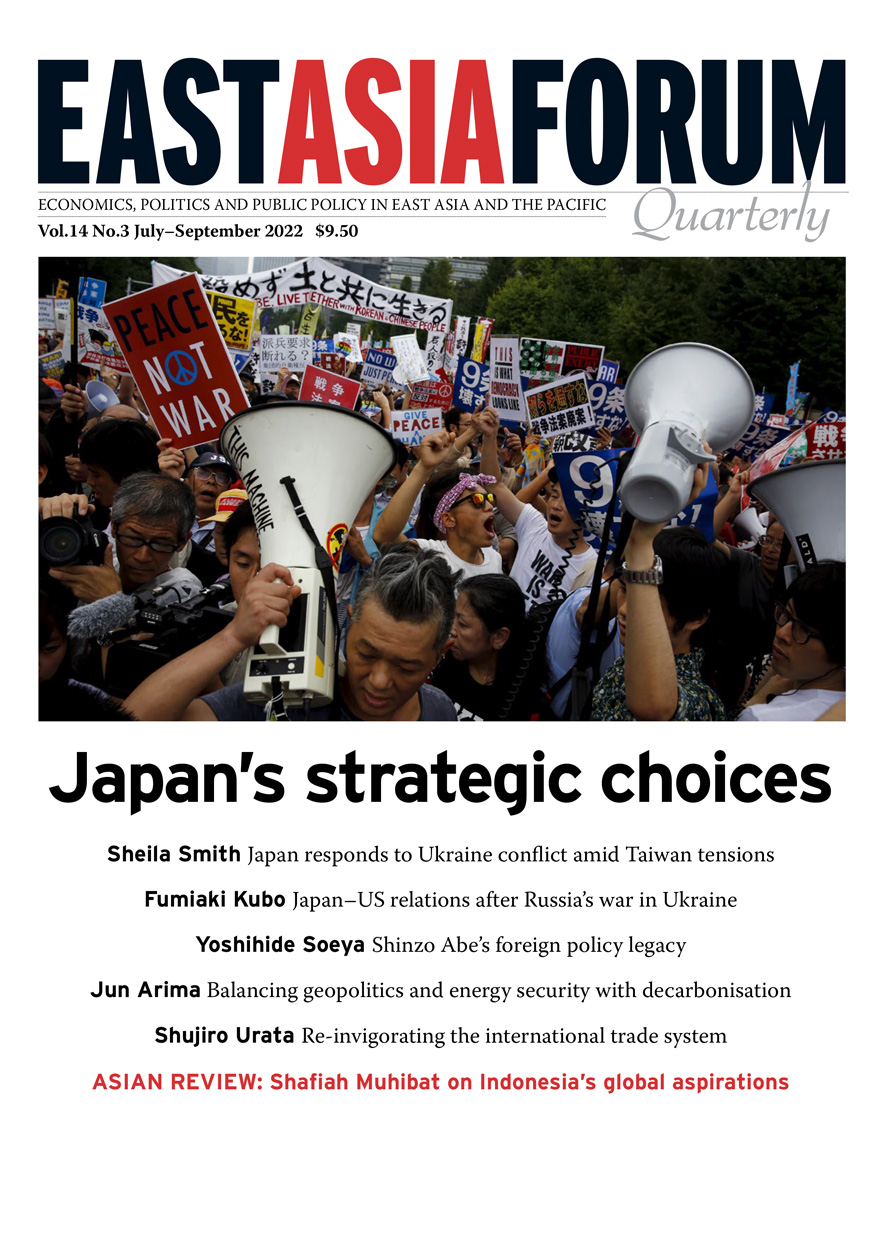
East Asia Forum Quarterly: Volume 14, Number 3, 2022 »
Publication date: September 2022
Japan ‘crossed the Rubicon’ after Russia’s invasion of Ukraine. Unlike eight years ago when Russia annexed Crimea, the Kishida government quickly implemented sanctions against Russia with other Western countries. Japanese people have generally stood behind the Kishida government’s foreign and security policy activism, yet uncertainties about Japan’s future remain. Can Japan confront ‘a three-front war’ against China, North Korea and Russia? How can Japan manage its relations with the United States and China amidst great power competition and a growing risk of military conflict? How can it cope with inflation, energy shortages, global warming and the crisis of the nuclear non-proliferation regime? Domestically, Japan has yet to escape from the impact of COVID-19. Maintaining international competitiveness in an era of ageing and shrinking population remains a top priority for Japan. The articles in this EAFQ examine the challenges and opportunities facing Japan and explore its future in an era of growing uncertainty.
Download for free
Not available for purchase
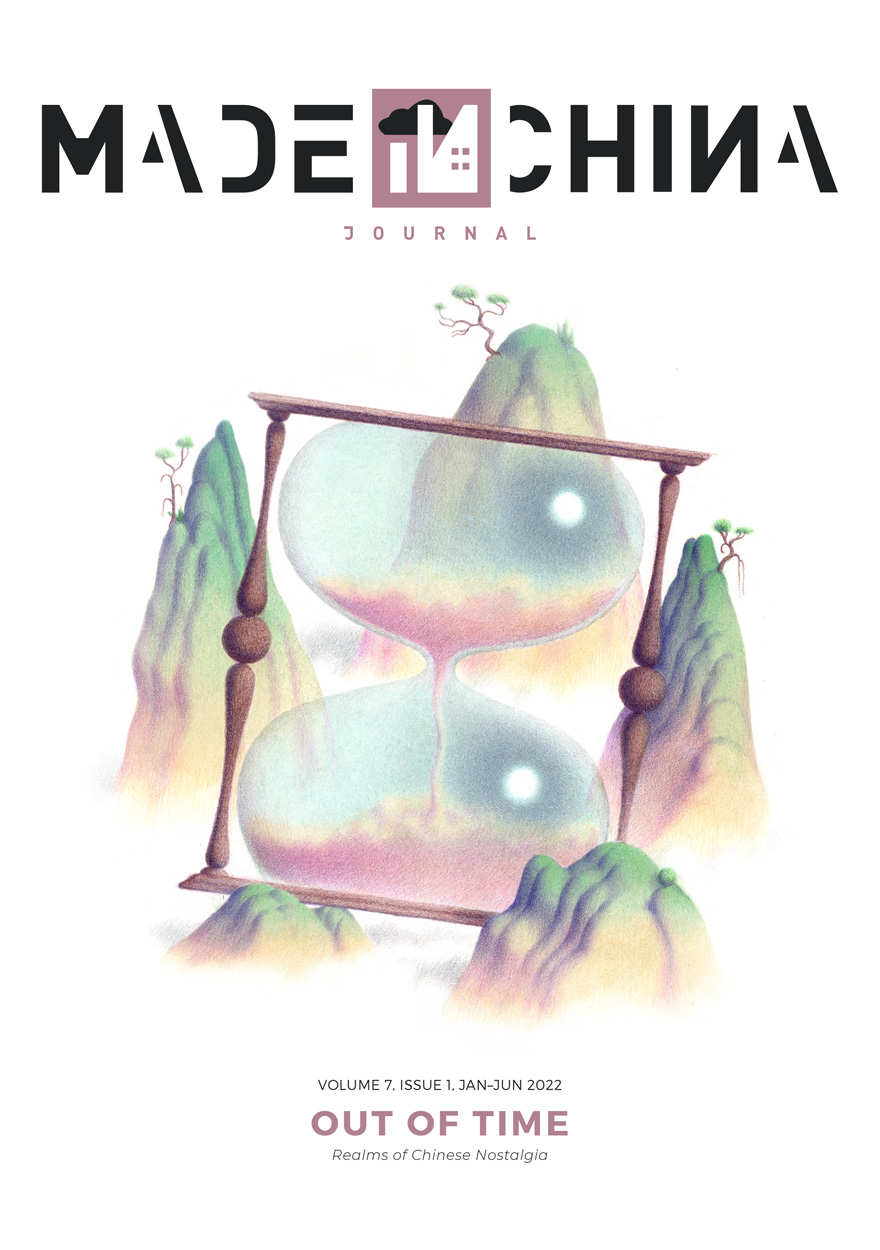
Made in China Journal: Volume 7, Issue 1, 2022 »
Publication date: August 2022
Cultural theorist Svetlana Boym famously distinguished two types of nostalgia: a restorative one that ‘manifests itself in total reconstructions of monuments of the past’; and a reflective one that ‘lingers on ruins, the patina of time and history, in the dreams of another place and another time’. But nostalgia is not necessarily only backward-looking. Rather, it can represent a feeling of longing for a future yet to be lost or even realised. For the historian Roxanne Panchasi, nostalgia may originate in the ways in which people anticipate and plan their lives around an expected future. This anticipated future, Panchasi intimates in her 2009 book Future Tense, ‘can tell us a great deal about the cultural preoccupations and political perspectives of the present doing the anticipating’. In these and other ways, nostalgia can actualise in cultural expression and performance within communities of nostalgia and as immersive environments that shine a light on past trauma to move closer to reconciliation. Contributors to this issue of the Made in China Journal explore the workings of nostalgia in people’s memories and spaces in China from a variety of perspectives to uncover how and why admirers of the Maoist and post-socialist eras express their longings for pasts real, imagined, and somewhere in between.
Download for free
Not available for purchase
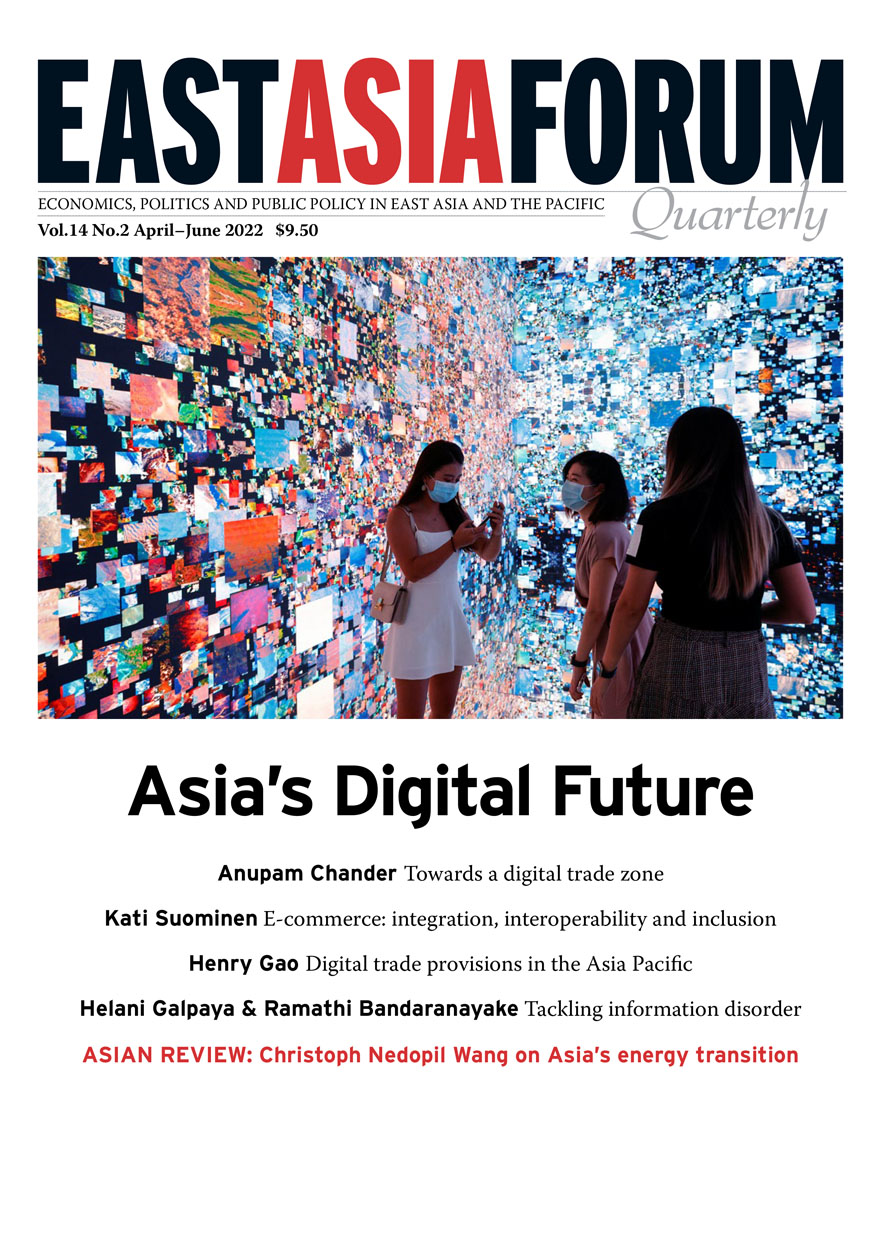
East Asia Forum Quarterly: Volume 14, Number 2, 2022 »
Publication date: June 2022
Once, the internet and world wide web promised a world of seamless connectivity for anyone with access to a digital device. As connectivity costs fell, the workplace became mobile, and digitalisation transformed industrial sectors, the laissez-faire agenda of digital developmentalists appeared to align with and promote democratic ideals. That was then. Today, even as cloud computing and digital transformation agendas have become mainstream, it is clear the threat of digital fragmentation must be actively addressed. As different rules around privacy, cybersecurity and digital sovereignty emerge to thwart interoperability, fragmentation is impacting both governance and infrastructure. Digital borders in China, cross-border data restrictions in Europe and America’s disavowal of Chinese telecom equipment make for increasing disconnection.
The articles in this EAFQ examine where commonalities are possible in the digital economy, and where we may expect more clashes than cross-cutting frameworks.
Download for free
Not available for purchase
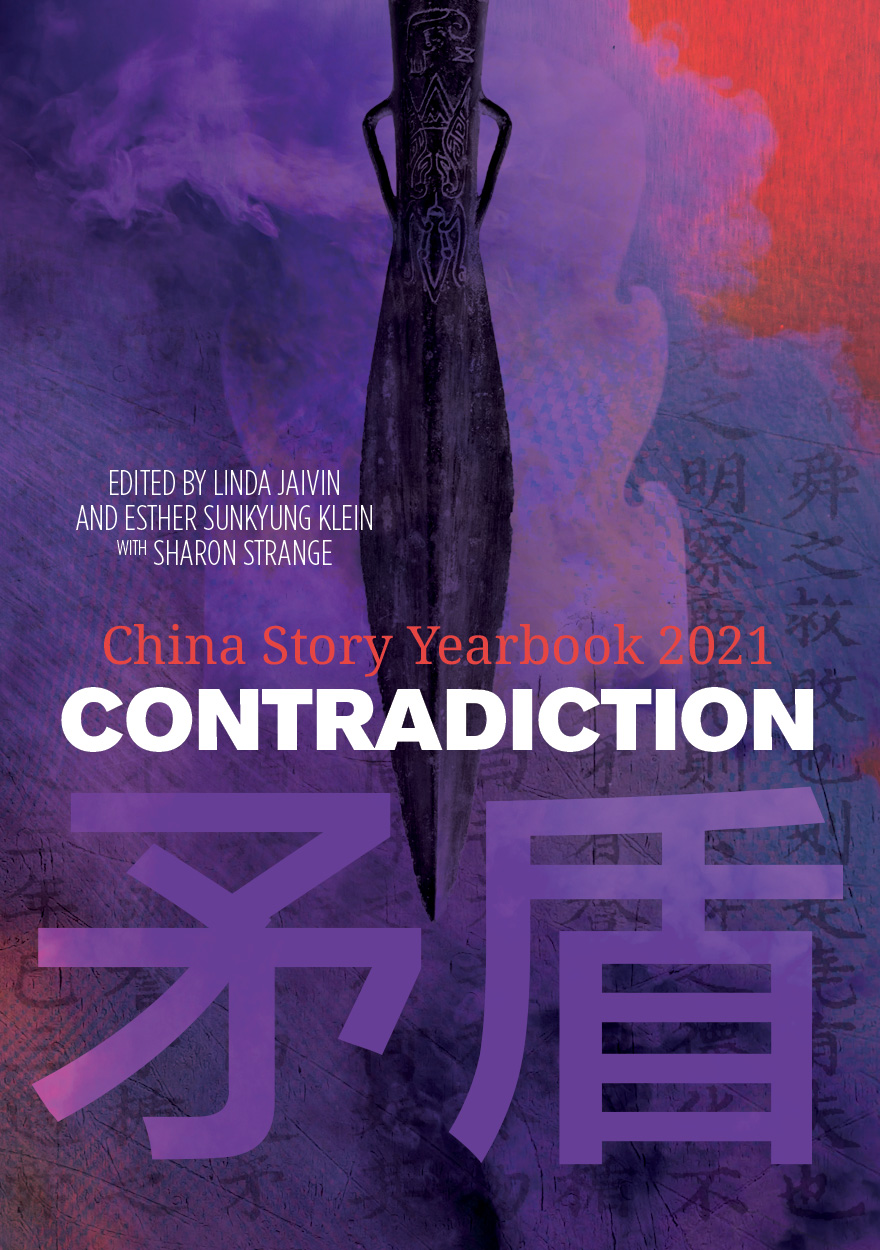
Contradiction »
Edited by: Linda Jaivin, Esther Sunkyung Klein, Sharon Strange
Publication date: May 2022
In the second year of the COVID-19 pandemic, the many facets of crisis—the theme of last year’s China Story Yearbook—fractured into pictures of contradiction throughout Chinese society and the Chinese sphere of influence.
Contradiction: the ancient Chinese word for the concept holds within it the image of an unstoppable spear meeting an impenetrable shield. It describes a wide range of phenomena that English might express with words like conflict, clash, paradox, incongruity, disagreement, rebuttal, opposition, and negation. This year’s Yearbook presents stories of action and reaction, of motion and resistance.
The theme of contradiction plays out in different ways across the different realms of society, culture, environment, labour, politics, and international relations. Great powers do not necessarily succeed in dominating smaller ones. The seemingly irresistible forces of authoritarianism, patriarchy, and technological control come up against energised and surprisingly resilient means of resistance or cooptation. Efforts by various authorities to establish monolithic narrative control over the past and present meet a powerful insistence on telling the story from an opposite angle. The China Story Yearbook: Contradiction offers an accessible take on this complex and contradictory moment in the history of China and of the world.

East Asia Forum Quarterly: Volume 14, Number 1, 2022 »
Publication date: March 2022
Economic cooperation in East Asia has progressed in its own distinct way, and the conclusion of the Regional Comprehensive Economic Partnership (RCEP) in 2019 is a huge achievement of strategic significance that pushes back against threats to the multilateral system. RCEP is the world’s largest regional pact in terms of GDP, trade volume, foreign direct investment and population. This issue of East Asia Forum Quarterly looks at RCEP going forward, the ways Asia’s largest economies are embracing the deal, the supply chain and manufacturing trends that are emerging and the RCEP framework for dealing with issues beyond those already negotiated.
Download for free
Not available for purchase

International Review of Environmental History: Volume 8, Issue 1, 2022 »
Edited by: James Beattie, Brett Bennett
Publication date: March 2022
This timely special issue of the International Review of Environmental History focuses on animals and epidemics in modern East Asia. The global pandemic of Covid-19 has forced us to think more deeply about the interrelations between animals, both human and non-human, and epidemics. Moreover, the intense attention on East Asia in this context demands that we study the region in the thematic matrix of health, environment, animals, sociocultural traditions, and geopolitics. This collection comprises two parts. The first part consists of three research articles and an extensive commentary. The articles examine, respectively, rabies and rabid dogs in early twentieth-century China, venomous snakes and tropical medicine in colonial Taiwan, and epidemics and animal rights movements in contemporary China. The second part includes three reflective essays on topics of immediate relevance: animals and health campaigns in Mao-era China; insects, particularly silkworms, in vaccine research; and the dominant but flawed scientific paradigm of emerging zoonotic epidemics. The essays are followed by a broad commentary that provides a global and comparative perspective.
Download for free
Not available for purchase
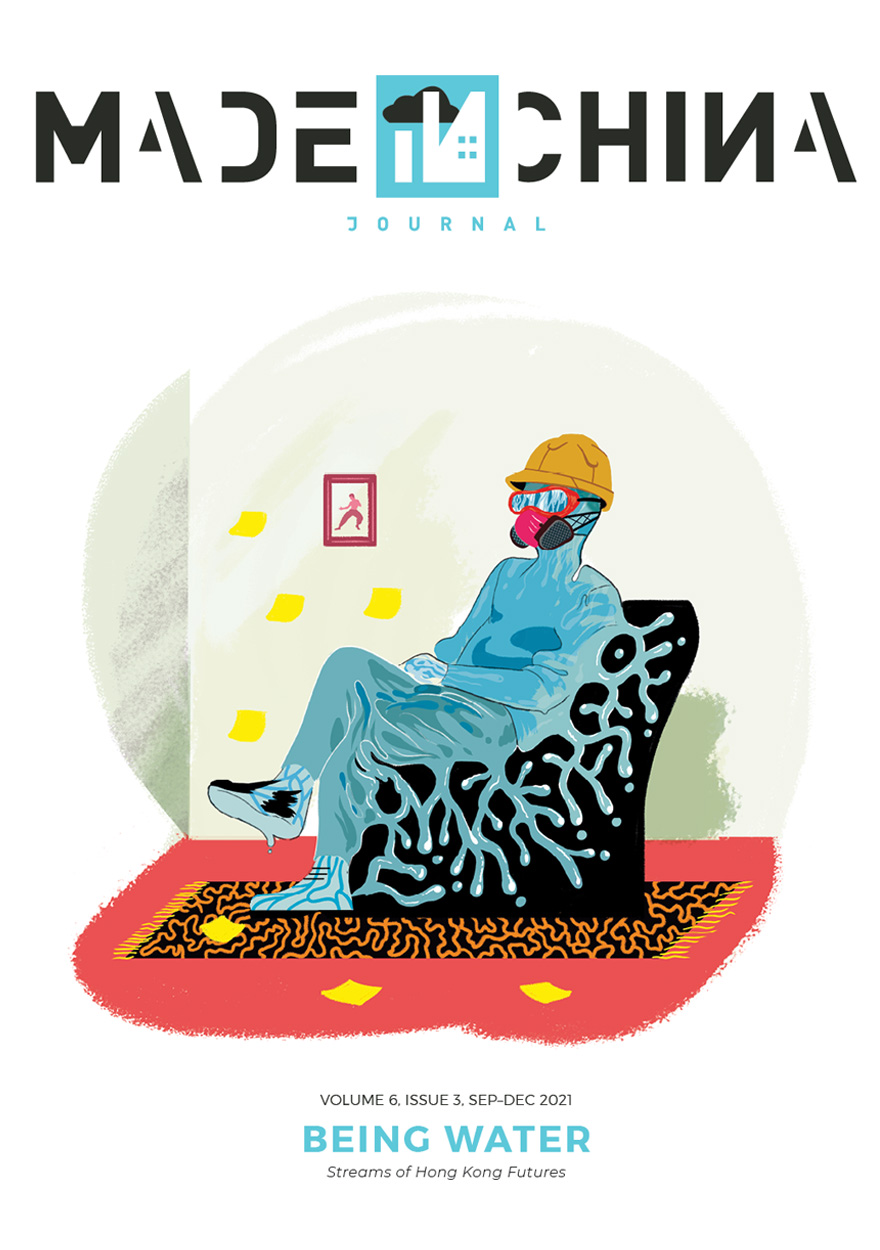
Made in China Journal: Volume 6, Issue 3, 2021 »
Edited by: Ivan Franceschini, Nicholas Loubere, Shui-yin Sharon Yam
Publication date: March 2022
In 2019 and 2020, Hongkongers witnessed—and, in many cases, participated in—one of largest and most exacting grassroots movements in the city’s history. Triggered by a proposed Extradition Bill and fuelled by a decades-long struggle for democracy and political freedom, the decentralised protest quickly seeped into the city’s everyday life. While some of the protestors confronted the police in black blocs, others participated in strikes, sit-ins, and economic boycotts. To suppress the movement, the Hong Kong police deployed an alarming use of force and violence. To put an end to the movement once and for all, in June 2020 the Chinese and Hong Kong government abruptly implemented the National Security Law (NSL), effectively rendering any expressions of dissent seditious and illegal. Since then, prominent pro-democracy activists and politicians have either gone into exile or have been imprisoned under the NSL; books penned by activists have been removed from the shelves of public libraries; key historical events and political concepts have been censored from textbooks; and around 60 advocacy groups and independent media outlets were forced to disband. Given the chilling effect of the NSL, many Hongkongers have chosen to emigrate. Amid this ongoing crackdown, this issue of the Made in China Journal takes stock of the aftermath of the protest movement and reflects on the sociopolitical changes that are taking place in Hong Kong’s political and civil society in the post-NSL era.
Download for free
Not available for purchase