



Search titles
Displaying results 501 to 510 of 1165.
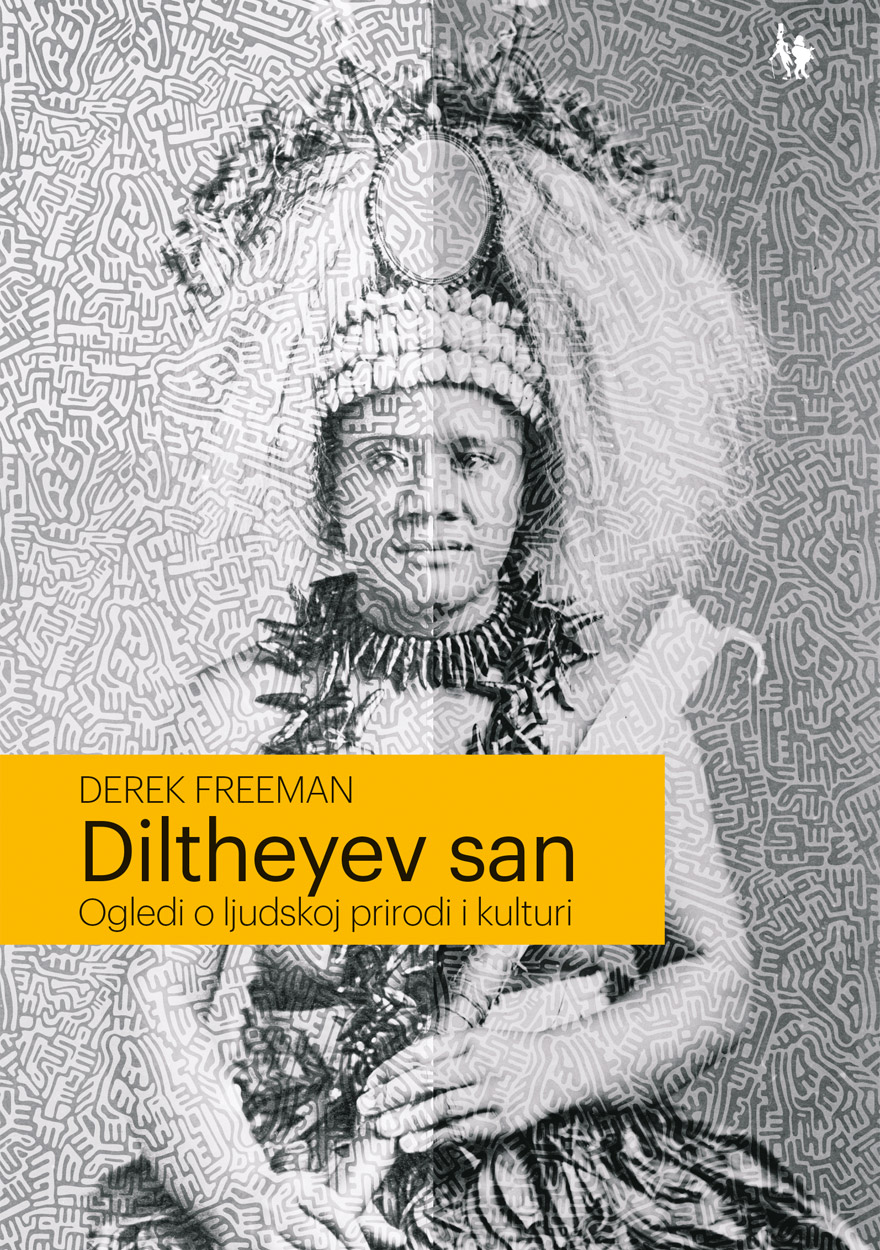
Dilthey’s Dream (Croatian version) »
Essays on human nature and culture
Authored by: Derek Freeman
Publication date: July 2016
With great eloquence, Derek Freeman takes the reader on an intellectual journey through the complexities of philosophical anthropology. Even while the controversial Nature–Nurture debate raged, Freeman contended that the crucial fact that humans had the capacity to make choices was 'both intrinsic to our biology and basic to the very formation of cultures'. Thus the scene was set for his widely publicised criticism of Margaret Mead's book Coming of Age in Samoa. Publishing her research in 1926, Mead concluded that all human behaviour was the result of social conditioning. Freeman refuted this assumption in 1983, urging closer interactions between the biological sciences and cultural studies to bridge the ever-widening chasm threatening all studies of humankind.
Dilthey's Dream is an engagingly powerful set of essays depicting the depth of one man's thinking on issues, which consumed a lifetime.
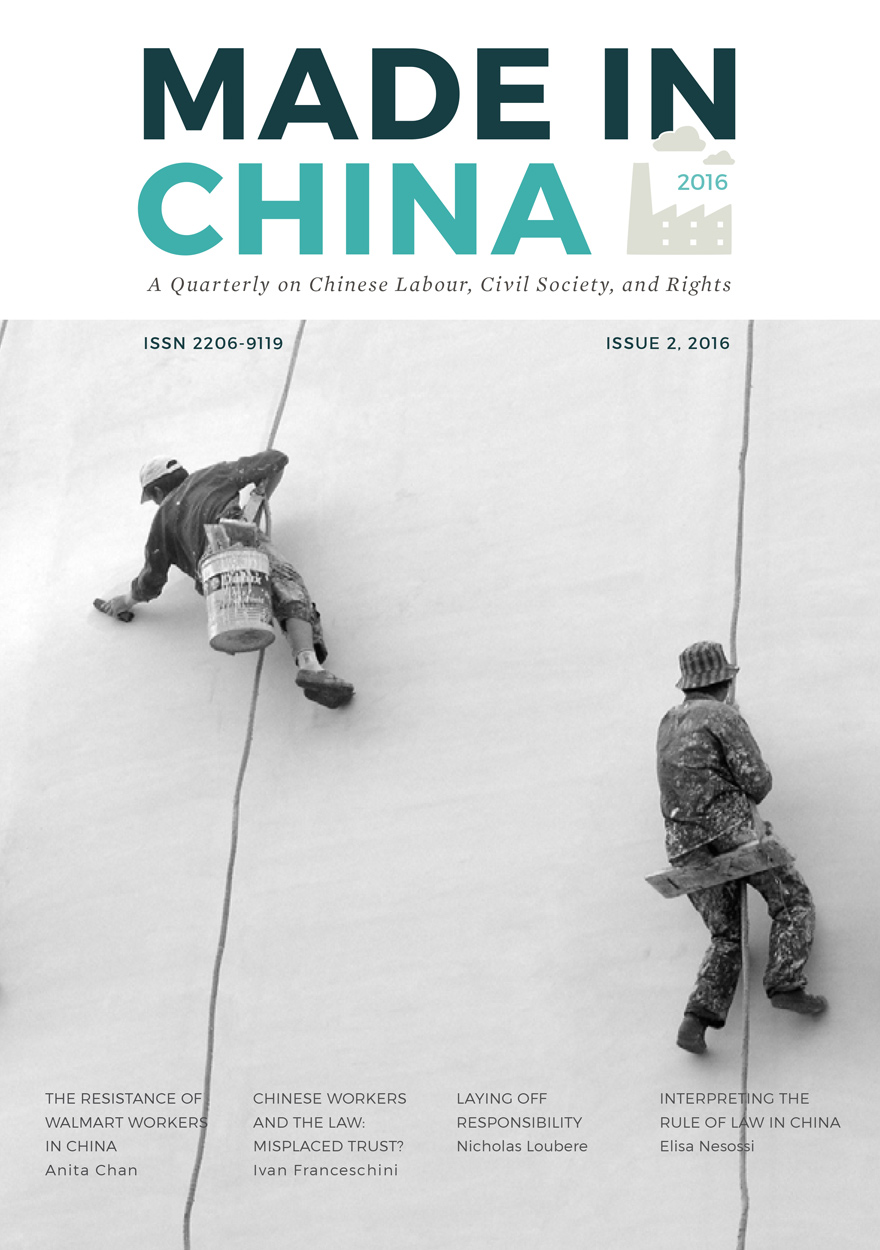
Made in China Journal: Volume 1, Issue 2, 2016 »
Edited by: Ivan Franceschini, Kevin Lin
Publication date: June 2016
Besides the usual summaries of recent events in China, in this issue you will find articles on the struggles of Walmart workers in China, the limits of the ‘rights awakening’ of Chinese workers, and the political implications of resorting to microcredit to alleviate unemployment. Included is also a Forum in which prominent legal experts put the concept of the ‘rule of law’ in China in a wider historical and political perspective and a compendium of the new Law on the Management of Foreign NGOs’ Activities within Mainland China.
Download for free
Not available for purchase
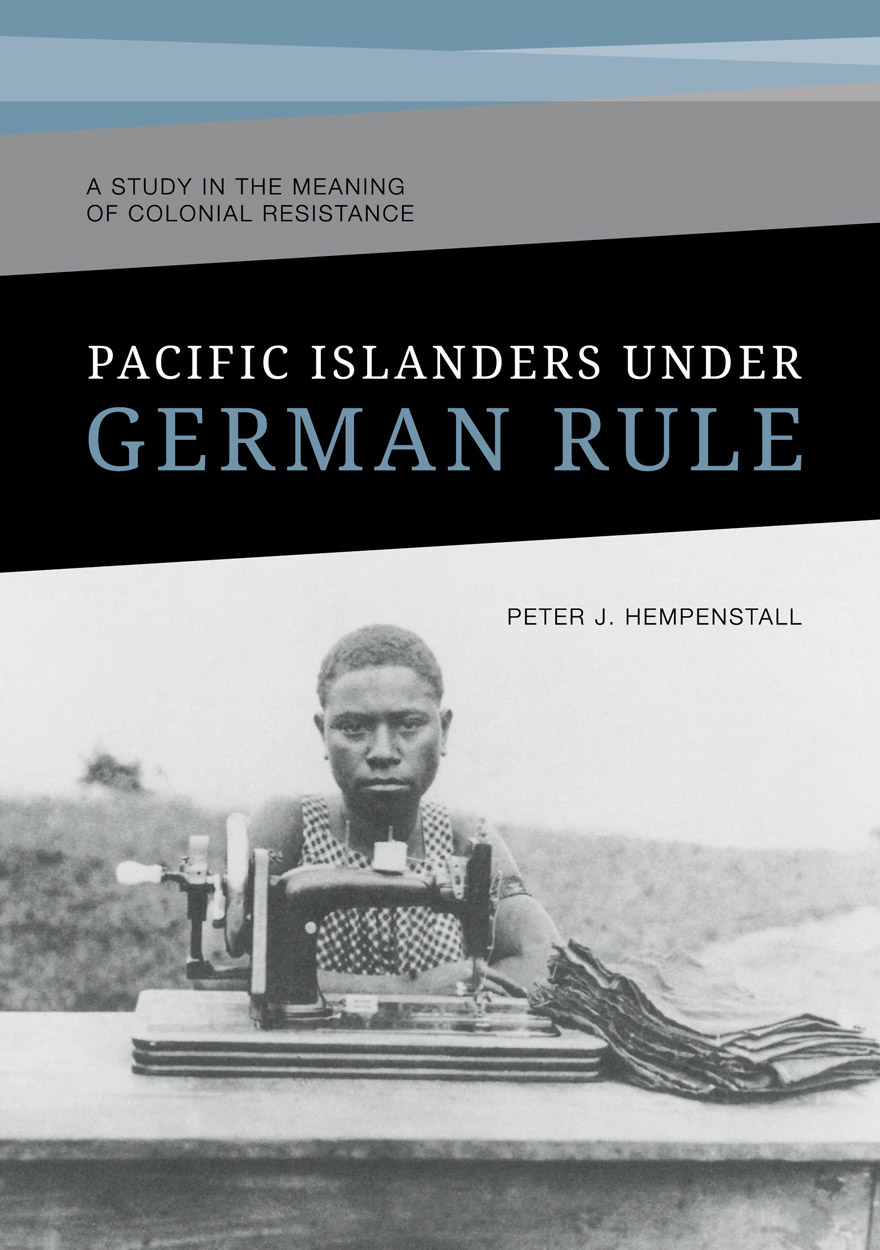
Pacific Islanders Under German Rule »
A Study in the Meaning of Colonial Resistance
Authored by: Peter J. Hempenstall
Publication date: June 2016
This is an important book. It is a reprint of the first detailed study of how Pacific Islanders responded politically and economically to their rulers across the German empire of the Pacific. Under one cover, it captures the variety of interactions between the various German colonial administrations, with their separate approaches, and the leaders and people of Samoa in Polynesia, the major island centre of Pohnpei in Micronesia and the indigenes of New Guinea. Drawing on anthropology, new Pacific history insights and a range of theoretical works on African and Asian resistance from the 1960s and 1970s, it reveals the complexities of Islander reactions and the nature of protests against German imperial rule. It casts aside old assumptions that colonised peoples always resisted European colonisers. Instead, this book argues convincingly that Islander responses were often intelligent and subtle manipulations of their rulers’ agendas, their societies dynamic enough to make their own adjustments to the demands of empire. It does not shy away from major blunders by German colonial administrators, nor from the strategic and tactical mistakes of Islander leaders. At the same time, it raises the profile of several large personalities on both sides of the colonial frontier, including Lauaki Namulau’ulu Mamoe and Wilhelm Solf in Samoa; Henry Nanpei, Georg Fritz and Karl Boeder in Pohnpei; or Governor Albert Hahl and Po Minis from Manus Island in New Guinea.

The Fijian Colonial Experience »
A study of the neotraditional order under British colonial rule prior to World War II
Authored by: Timothy J. Macnaught
Publication date: June 2016
Indigenous Fijians were singularly fortunate in having a colonial administration that halted the alienation of communally owned land to foreign settlers and that, almost for a century, administered their affairs in their own language and through culturally congenial authority structures and institutions. From the outset, the Fijian Administration was criticised as paternalistic and stifling of individualism. But for all its problems it sustained, at least until World War II, a vigorously autonomous and peaceful social and political world in quite affluent subsistence — underpinning the celebrated exuberance of the culture exploited by the travel industry ever since.

A Philosophy of Intellectual Property »
Authored by: Peter Drahos
Publication date: June 2016
Are intellectual property rights like other property rights? More and more of the world’s knowledge and information is under the control of intellectual property owners. What are the justifications for this? What are the implications for power and for justice of allowing this property form to range across social life? Can we look to traditional property theory to supply the answers or do we need a new approach? Intellectual property rights relate to abstract objects – objects like algorithms and DNA sequences. The consequences of creating property rights in such objects are far-reaching. A Philosophy of Intellectual Property argues that lying at the heart of intellectual property are duty-bearing privileges. We should adopt an instrumentalist approach to intellectual property and reject a proprietarian approach – an approach which emphasises the connection between labour and property rights. The analysis draws on the history of intellectual property, legal materials, the work of Grotius, Pufendorf, Locke, Marx and Hegel, as well as economic, sociological and legal theory. The book is designed to be accessible to specialists in a number of fields as well as students. It will interest philosophers, political scientists, economists, and legal scholars, as well as those professionals concerned with policy issues raised by modern technologies and the information society.
Download for free
Not available for purchase
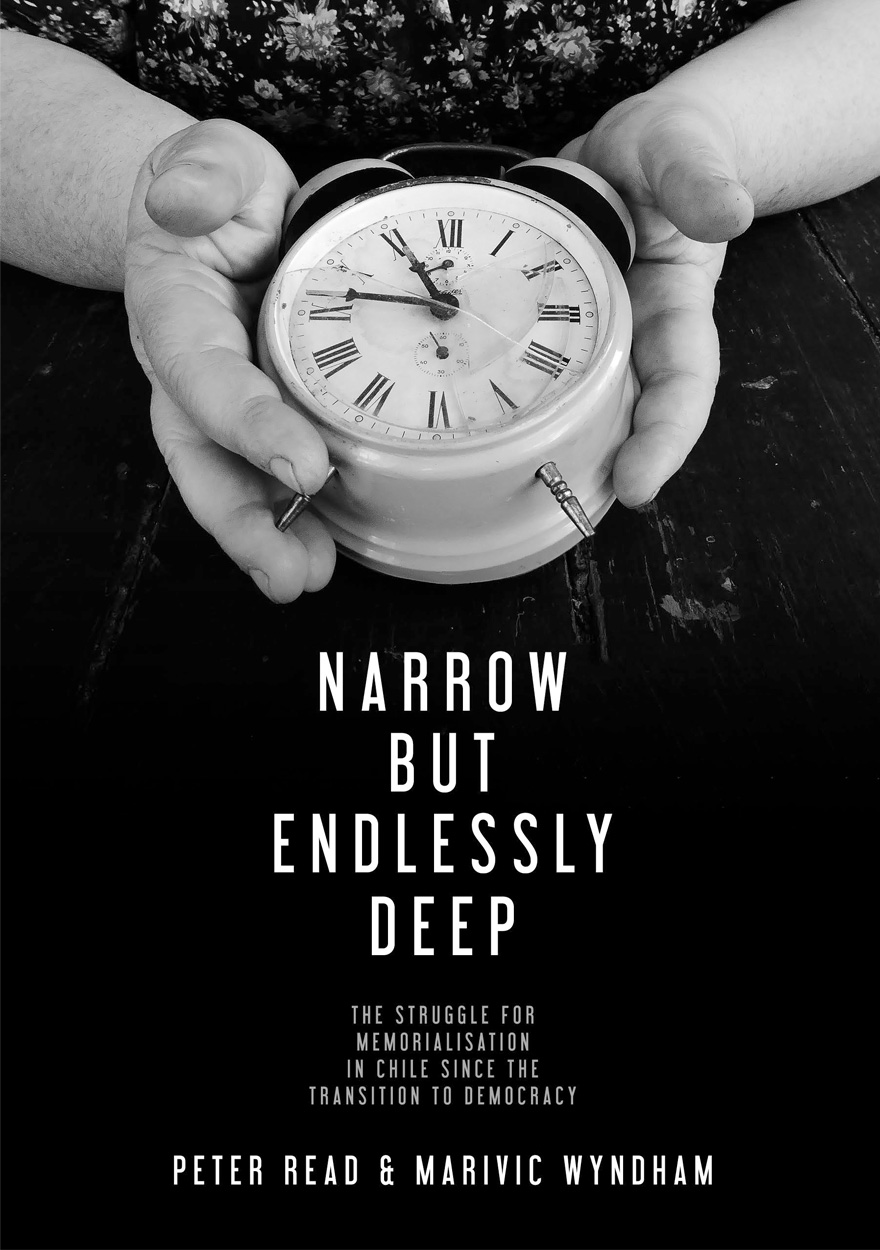
Narrow But Endlessly Deep »
The struggle for memorialisation in Chile since the transition to democracy
Authored by: Peter Read, Marivic Wyndham
Publication date: June 2016
On 11 September 1973, the Chilean Chief of the Armed Forces Augusto Pinochet overthrew the Popular Unity government of Salvador Allende and installed a military dictatorship. Yet this is a book not of parties or ideologies but public history. It focuses on the memorials and memorialisers at seven sites of torture, extermination, and disappearance in Santiago, engaging with worldwide debates about why and how deeds of violence inflicted by the state on its own citizens should be remembered, and by whom.
The sites investigated — including the infamous National Stadium — are among the most iconic of more than 1,000 such sites throughout the country.
The study grants a glimpse of the depth of feeling that survivors and the families of the detained-disappeared and the politically executed bring to each of the sites. The book traces their struggle to memorialise each one, and so unfolds their idealism and hope, courage and frustration, their hatred, excitement, resentment, sadness, fear, division and disillusionment.
‘This is a beautifully written book, a sensitive treatment of the issues and lives of those who have faced a great deal of loss, most often as unsung heroes, in what are now recognized as Chilean sites of memory. The book is a testament to people who have not been asked to speak, until Peter Read and Marivic Wyndham ask them to tell their stories. They do not shy away from hard tensions about memorialization, the difficulties of challenging a powerful state and the long and arduous struggles to ensure less powerful voices are heard.’
— Professor Katherine Hite, Frederick Ferris Thompson Chair of Political Science, Vassar College, USA.
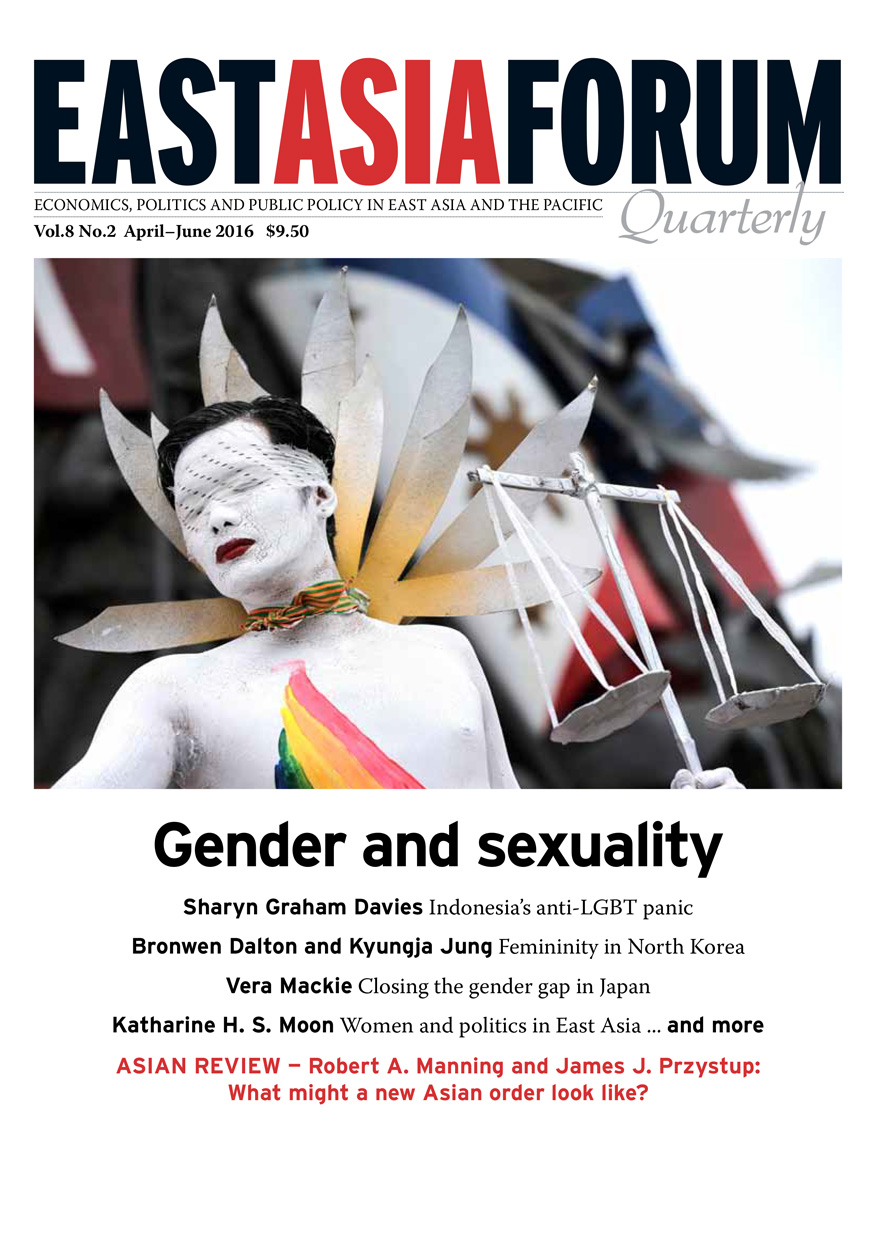
East Asia Forum Quarterly: Volume 8, Number 2, 2016 »
Publication date: June 2016
East Asia Forum Quarterly grew out of East Asia Forum (EAF) online, which has developed a reputation for providing a platform for the best in Asian analysis, research and policy comment on the Asia Pacific region in world affairs. EAFQ aims to provide a further window onto research in the leading research institutes in Asia and to provide expert comment on current developments within the region. The East Asia Forum Quarterly, like East Asia Forum online, is an initiative of the East Asia Forum (EAF) and its host organisation, the East Asian Bureau of Economic Research (EABER) in the Crawford School of Economics and Government in the College of Asia & the Pacific at The Australian National University.
Download for free
Not available for purchase
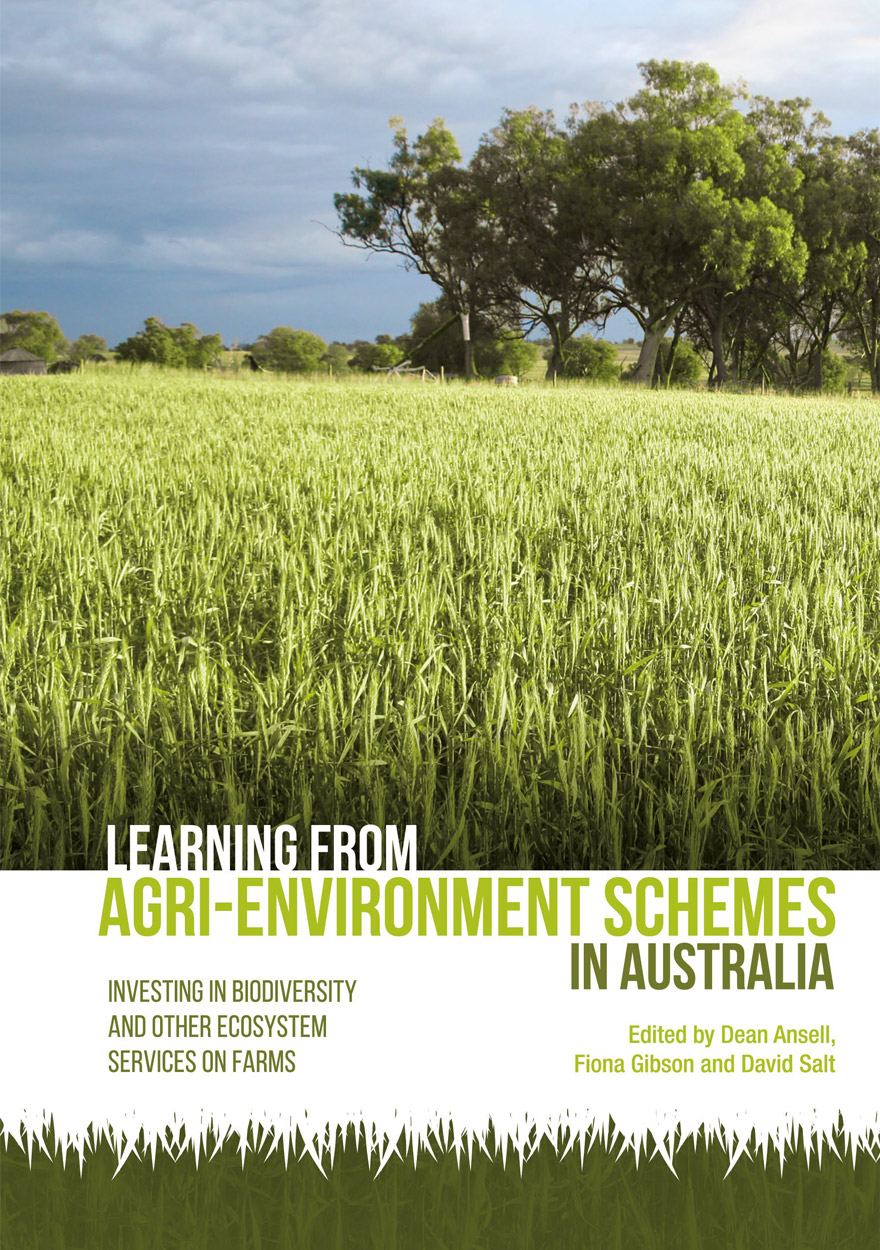
Learning from agri-environment schemes in Australia »
Investing in biodiversity and other ecosystem services on farms
Publication date: May 2016
Learning from agri-environment schemes in Australia is a book about the birds and the beef — more specifically it is about the billions of dollars that governments pay farmers around the world each year to protect and restore biodiversity. After more than two decades of these schemes in Australia, what have we learnt? Are we getting the most out of these investments, and how should we do things differently in the future? Involving contributions from ecologists, economists, social scientists, restoration practitioners and policymakers, this book provides short, engaging chapters that cover a wide spectrum of environmental, agricultural and social issues involved in agri-environment schemes.

Geography, Power, Strategy and Defence Policy »
Essays in Honour of Paul Dibb
Edited by: Desmond Ball, Sheryn Lee
Publication date: May 2016
Paul Dibb AM has had an extraordinary career. He enjoys an international scholarly reputation of the highest order, while at the same time he has done much distinguished public service. He was a pioneer in moving back and forth between posts in government departments, notably the Department of Defence, and academia. He began as a student of Soviet economic geography, and then spent nearly two decades in Australian Defence intelligence, including service as Head of the National Assessments Staff (NAS) in the Joint Intelligence Organisation (JIO) from 1974 to 1978, Deputy Director of JIO in 1978–80, Director of JIO in 1986–88, and Deputy Secretary of Defence (Strategy and Intelligence) in 1988–91, before becoming a Professor in the Strategic and Defence Studies Centre (SDSC) at The Australian National University (where he is now an Emeritus Professor). He has been quite happy to engage in vigorous public debate about important and controversial strategic and defence issues, giving him a high public profile.
The contributors include two former Chancellors of ANU, one a former Minister of Defence, and the other a former Secretary of the Department of Defence, a former Chief of the Defence Force (CDF), and other former senior officials, as well as academic specialists in geography, international relations, and strategic and defence studies.
‘This would be a high-quality set of essays for any edited volume, but for a festschrift – a genre that sometimes generates uneven collections – this is an exceptional assembly. The individual pieces are very good; together, they have coherence and power.’
– Professor Ian Hall, Professor of International Relations, Griffith University

War, Strategy and History »
Essays in Honour of Professor Robert O’Neill
Edited by: Daniel Marston, Tamara Leahy
Publication date: May 2016
This is a collection of essays in honour of eminent Professor Robert O’Neill. Each chapter was written by prominent academics and practitioners who have had a professional connection with Professor O’Neill during his long and distinguished career. The overarching themes running throughout the book are war, strategy and history. All the essays are shaped by the role that Professor O’Neill has played over the last 50 years in the debates in Australia, Europe and the US. This book covers not only Professor O’Neill’s impressive career, but also the evolution of strategy in practice, and of strategic studies as an internationally recognised academic discipline.